
Careers in Industrial-Organizational Psychology - Shaping the Workplace
Princepal Rajput
10/22/20244 min read
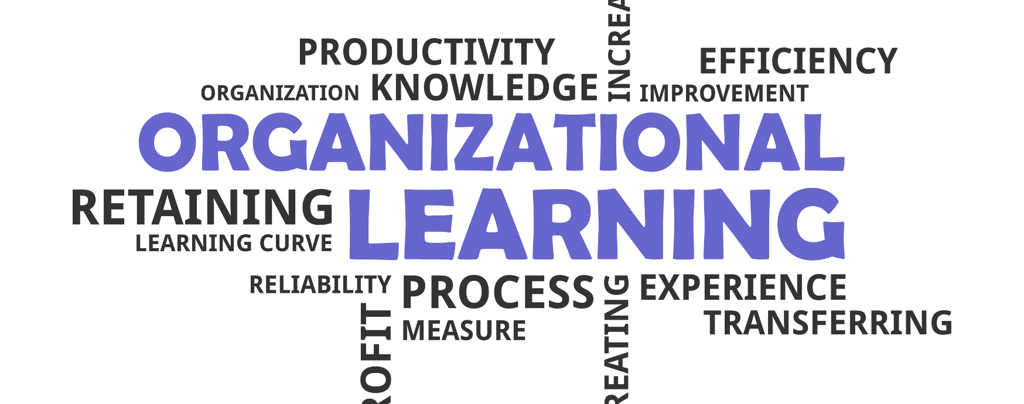
In today’s rapidly evolving workplace, a field that is gaining prominence for its ability to bridge the gap between human behavior and organizational goals is Industrial-Organizational Psychology (I-O Psychology). The demands on businesses are growing and so too does the need for a better understanding of how to optimize employee well-being, increase productivity, and ensure a positive workplace environment. I-O psychologists play an instrumental role in making this happen. But what does a career in this field look like? And why should you consider it? Let’s dive into the world of I-O psychology.
What is Industrial-Organizational Psychology?
Industrial-organizational psychology applies the principles of psychology to workplace environments. Unlike clinical or counseling psychologists who work directly with patients, I-O psychologists focus on the employees and organizations as a whole. They study workplace behavior to develop solutions that can improve individual performance, job satisfaction, and organizational efficiency.
Key Areas of Focus in I-O Psychology
Recruitment: I-O psychologists help companies in identifying the suitable talent by creating effective recruitment strategies and improving hiring processes. They might design assessments that measure job-specific competencies, personality traits, or leadership potential.
Training and Development: After getting hired employees need training that aligns with both their skills and the organization’s goals. I-O psychologists design and implement training programs that help employees thrive. From time to time they also assess the effectiveness of these programs to ensure continuous improvement.
Performance Management System: I-O psychologists develop fair and unbiased performance management systems. These systems are essential for recognizing employee contributions and identifying areas for improvement. They also help establish metrics that tie individual performance to organizational success.
Workplace Motivation and Leadership: Understanding what motivates employees can make or break a company’s success. I-O psychologists develop strategies that can enhance job satisfaction, engagement, and productivity. They also work closely with management to develop leadership styles that foster positive work environments.
Organizational Development and Change: Organizations today are in constant flux due to technological advancements, globalization, and changing market conditions. I-O psychologists help manage organizational change by analyzing corporate culture, diagnosing problems, and implementing interventions that promote growth.
Employee Well-being and Work-Life Balance: With an increased focus on mental health and wellness, I-O psychologists are key players in promoting employee well-being. They create policies that encourage work-life balance, reduce burnout, and increase job satisfaction.
Career paths in I-O psychology
There are numerous career paths available for I-O psychologists, each offering unique opportunities to impact both individuals and organizations. Some of the most common include:
Consulting: Many I-O psychologists work as consultants, offering expert advice on issues ranging from leadership development to organizational restructuring. Consultants may work independently or as part of a larger firm.
Human Resources (HR): I-O psychologists often find roles in HR departments, where they help shape recruitment strategies, develop training programs, and oversee employee relations.
Research and Academia: For those who enjoy studying human behavior and organizational dynamics, a career in academia or research is a great option. I-O psychologists in this area often conduct research on topics such as workplace diversity, organizational change, and job satisfaction.
Corporate Leadership: I-O psychologists are well-equipped to take on leadership roles in organizations, helping to shape company culture and drive strategic decision-making.
Educational Pathway to Becoming an I-O Psychologist
To enter the field of industrial-organizational psychology, you typically need at least a master’s degree in I-O psychology or a related field. However, many professionals pursue a Ph.D. for advanced roles in research, academia, or high-level consulting. Some universities offer specialized degrees in I-O psychology, while others offer it as a concentration within broader psychology programs.
Some of the renowned institutions offering academic programs in I-O psychology are:
Harvard University, The USA – Master in Industrial and Organizational Psychology
New York University, The USA – MA in in Industrial and Organizational Psychology
Rice University, The USA – Master of Industrial-Organizational Psychology
University of Georgia, The USA – Master in Industrial-Organizational Psychology
The London School of Economics and Political Science, The UK – MSc in Organizational and Social Psychology
The University of Manchester, The UK – MSc Organizational Psychology
Additionally, it’s beneficial to gain experience through internships or work placements. Many I-O psychologists also pursue certifications, such as those offered by the Society for Industrial and Organizational Psychology (SIOP) or similar organizations, to enhance their credentials.
Skills Needed for a Successful Career in I-O Psychology
To succeed in industrial-organizational psychology, you’ll need a mix of technical and interpersonal skills, including:
Analytical Thinking: You’ll need to analyze data and trends to make evidence-based recommendations for organizations.
Communication Skills: Whether you're training employees or advising management, strong verbal and written communication skills are crucial.
Problem-Solving: I-O psychologists must be adept at diagnosing organizational issues and proposing effective solutions.
Empathy and Interpersonal Skills: Understanding the needs and motivations of employees is key to creating a healthy and productive workplace.
Research and Data Analysis: Proficiency in research methodologies and statistical analysis is essential for conducting assessments and measuring program outcomes.
Why Consider a Career in I-O Psychology?
The field of industrial-organizational psychology offers immense opportunities to make a meaningful impact on the workplace. Whether you’re helping a company improve its hiring practices, creating strategies to increase employee engagement, or implementing wellness programs, the work you do directly influences the well-being of individuals and the success of organizations.
The demand for I-O psychologists is growing, with the U.S. Bureau of Labor Statistics predicting above-average job growth for psychologists overall, including those in I-O specialties. As businesses continue to prioritize efficiency, employee satisfaction, and diversity, I-O psychologists will be at the forefront of shaping the future of work.
Conclusion
A career in industrial-organizational psychology is both intellectually rewarding and impactful. As the workplace continues to evolve, I-O psychologists will play a crucial role in designing organizations that are not only efficient but also humane. For all your questions about a career in I-O psychology please feel free to contact us.